About

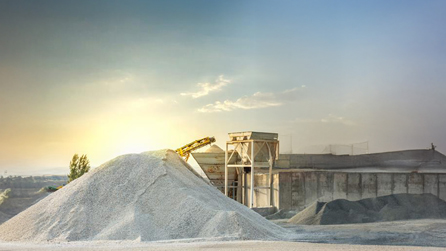
Tata Steel aims to minimise waste and maximise resources through three circular economy principles – reduce, reuse, and recycle – and is committed towards responsible consumption and production. At Tata Steel, we treat waste as a resource. These products not only generate revenue but also reduce dependence on natural resources and lower the carbon footprint of customer industries.
Sure, we make steel. But #WeAlsoMakeTomorrow

initiatives

Today, Tata Steel generates nearly 15 million tonnes of industrial by-products annually, and utilises 99.9% of it through recycling, reuse and commercial applications.

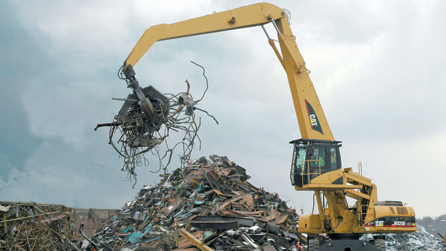
Tata Steel Nederland aims to maximize reuse of materials and reduce waste by increasing scrap intake from 17% to 30% to enhance circularity.

100% solid waste utilisation across all steelmaking sites.

Global partnerships further accelerate decarbonisation, including Indo‑Sweden–funded initiatives such as MiCOBlast to valorise blast furnace off‑gases using microwave plasma and Steel Slag Reborn to recover metallic value from slag while converting residues into sustainable cement inputs.

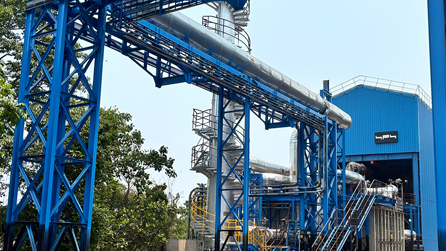
Tata Steel, in partnership with Kraftblock GmbH, a German energy transition technology startup, is approaching a year of reliable operations of a thermal energy storage system at its Jamshedpur Works.

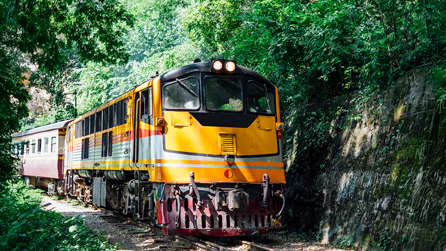
Tata Steel is collaborating with the Indian Railways’ South Eastern Railway division to develop sustainable rail infrastructure by utilising slag-based aggregates towards the construction of blanketing
layer on railway tracks.

In one of its kind joint initiative with Nuvoco Vistas (a renowned cement manufacturer), Tata Steel has developed a solution for utilisation of Dolochar as an alternative fuel resource in the
cement manufacturing process.

As a joint initiative with Himadri Chemicals, Tata Steel has achieved a milestone of 100 KT of coal tar despatch in lieu of low sulphur furnace oil (LSFO) to reduce coke rate in steel manufacturing process.

Applications

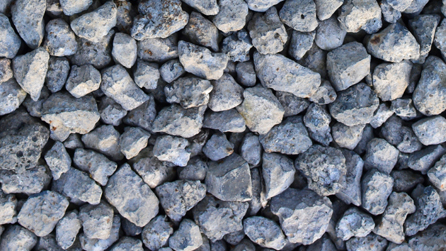
Tata Aggreto and Tata Nirman (Processed Steel slag) are India’s first ever branded steel slag product offerings, used across multiple national, state, and urban highways.

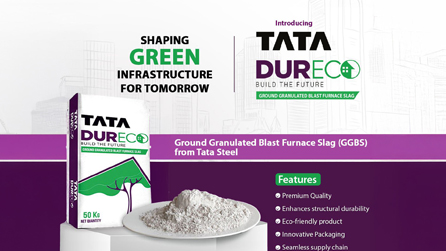
Tata Dureco (branded ground granulated blast furnace slag - GGBS) is used in the infrastructure industry as a sustainable alternative to Ordinary Portland Cement.

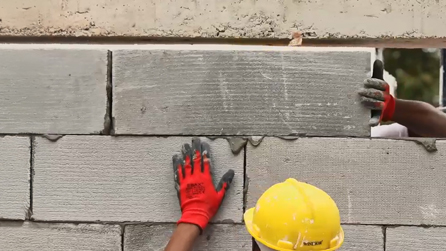
Tata Steel has also developed eco-friendly light construction products such as green paver blocks and interlocking blocks, which are manufactured using iron and steel slags.

Other by-products generated from steel making value chain are used in Specialty Chemicals, Fertilizers, Paint and Cement industries.

Recognitions

Our Graphene Business won Tata Innovista in 2015

We have also patented Graphene in 10 countries with a total of 40 patents (5 patents in US)

Our Graphene Business won Tata Innovista in 2015

We have also patented Graphene in 10 countries with a total of 40 patents (5 patents in US)

Did you know?

More than 150 kilometres of road have been developed utilising Tata Aggreto and Tata Nirman. The Jharkhand State Rural Road Development Authority (JSRRDA) has mandated the use of Tata Aggreto and Tata Nirman in the neighbouring districts. It is also an approved product in the upcoming Elevated Corridor Project on the National Highway 33.

Tata Dureco, a GreenPro certified product, has been used as a replacement for OPC (Ordinary Portland Cement) cement in the construction of many iconic structures across India, such as the renowned Ganga Setu Bridge, Vrindavan Chandrodaya Mandir, Garden Reach Flyover Project, and Kalyani Expressway.

Tata Steel was honoured with the ACE Award 2025 in the 'Large Enterprise' category by the International Council for Circular Economy, for its sustainable products like Tata Aggreto, Tata Nirman and Tata Dureco exemplifying by-product reuse in national infrastructure development.